Veterans Day and the Duty to Protect Our Future
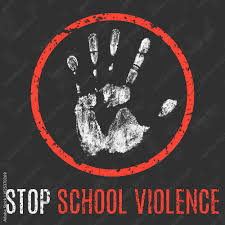
Not every battle requires a weapon. Some battles ask for courage in a quieter form: the courage to protect a neighbor, guide a child, comfort a grieving family, or speak up before harm takes root.
Veterans Day calls the nation to remember. We remember the people who wore the uniform, missed birthdays, crossed oceans, stood watch, endured fear, and carried burdens most civilians will never fully know. We remember those who came home changed. We remember those who never came home at all.
But remembrance should do more than look backward.
If the service of veterans helped preserve freedom, then the living have a duty to ask what we are doing with that freedom. Are we using it to build safer communities? Are we protecting children from violence, despair, and neglect? Are we willing to stand up when someone else cannot?
The meaning of Veterans Day grows deeper when gratitude becomes responsibility.

Veterans Day is about memory, sacrifice, and the cost of freedom
Veterans Day is different from many other national observances because it asks the country to pause with humility. It is not only about parades, flags, and ceremonies. Those traditions matter, but they point toward something larger.
They point toward service.
Military service often requires people to place the needs of others ahead of their own comfort, safety, and plans. Service members train for danger. Families learn to live with long separations. Children of service members may grow up with one parent far away. Spouses carry entire households through uncertainty. Parents wait for calls and news.
That sacrifice does not end when service ends.
Many veterans return to civilian life with visible and invisible wounds. Some face physical injuries. Some live with grief, trauma, or moral weight. Some struggle to find steady work, stable housing, or renewed purpose. Others build strong lives after service, yet still carry memories they rarely share.
A country that honors its veterans must do more than say thank you once a year. Real gratitude shows up in how we care for people after the ceremony is over.
That care includes access to health services, support for military families, job opportunities, community belonging, and simple human compassion. It also includes listening. Not every veteran wants to speak about service, but every veteran deserves to know that their life after service matters too.
Veterans Day reminds us that freedom has a cost. It also reminds us that freedom has a purpose.
Freedom is not only defended overseas
The defense of freedom does not end at our borders. It continues in the way people treat one another at home.
A nation can have strong defenses and still fail its people if it allows fear, isolation, untreated pain, and violence to spread through communities. The work of protection belongs not only to those in uniform. It belongs to parents, teachers, coaches, faith leaders, neighbors, public servants, mentors, and friends.
That kind of protection is not always dramatic. Often, it looks ordinary.
It looks like noticing when a young person has withdrawn from everyone. It looks like checking on a veteran who has stopped showing up. It looks like taking threats seriously. It looks like listening before someone reaches a breaking point. It looks like refusing to mock pain, dismiss warning signs, or treat cruelty as normal.
Some tragedies are sudden, but many are preceded by signals that someone is hurting, angry, isolated, or losing hope. No person can prevent every act of violence. No community can control every outcome. Still, communities can create conditions where fewer people fall through the cracks.
That is part of the duty to protect our future.
Protection means more than reacting after harm is done. It means building trust before crisis. It means making it easier for people to ask for help. It means teaching young people that strength includes self-control, empathy, and responsibility.
For veterans, this idea may feel familiar. In military life, watchfulness matters. Discipline matters. Teamwork matters. People learn to look out for one another because lives can depend on it.
Civilian life needs that same spirit, not in the same form, but with the same seriousness.
Young people deserve more than condolences
To the young people of this country: your lives matter. Your voices matter. Your futures matter.
You deserve to grow up with hope. You deserve schools, neighborhoods, parks, and homes where safety is not treated as a luxury. You deserve the freedom to dream about college, work, art, service, family, travel, invention, and leadership without fearing that violence will take those dreams away.
Too often, young people are asked to be resilient without being given the support that resilience requires. They are told to be strong while adults argue, delay, or look away. They absorb anxiety from the world around them, then get judged for the ways that anxiety shows up.
A serious commitment to the future means refusing to accept that fear is simply part of growing up.
That commitment includes:
Listening to young people before crisis arrives
Young people often know when something is wrong among their peers. They notice isolation, threats, bullying, and signs of despair. They need trusted adults who take their concerns seriously.
Creating places where belonging is real
Clubs, teams, arts programs, mentorship, faith communities, service groups, and safe public spaces can help young people feel seen. Belonging does not solve every problem, but isolation makes many problems worse.
Responding to warning signs with care and urgency
When someone talks about harm, posts threats, shows deep despair, or gives clear signs of crisis, adults need to act. Compassion and accountability can exist together.
Teaching conflict without cruelty
Young people learn from what adults model. If public life rewards insults, contempt, and rage, children notice. If adults practice patience, courage, and restraint, children notice that too.
A country that praises sacrifice on Veterans Day should also be willing to sacrifice convenience, pride, and comfort to protect children. It takes effort to mentor. It takes patience to listen. It takes courage to intervene. It takes humility to admit that safety is a shared responsibility.
Families carry service too
When the nation honors veterans, it should also honor the families who carried the burden of that service.
Behind many service members stands a family that endured absence, worry, relocation, and uncertainty. Military spouses often rebuild homes in new places again and again. Children adjust to new schools and missing parents. Parents of service members live with quiet anxiety during deployments. Siblings, grandparents, and friends become part of the support system.
Gold Star families carry a grief that most people cannot imagine. Their loved ones gave everything. No speech can repay that loss. No ceremony can erase the empty chair at the table.
The best we can do is remember with reverence and live with purpose.
That means refusing to let sacrifice become a slogan. It means caring about the quality of the country those service members defended. It means asking whether our communities reflect the dignity we claim to honor.
When families give so much, the nation owes more than applause. It owes commitment.
Commitment looks like helping veterans transition home. It looks like respecting military families in practical ways. It looks like supporting widows, widowers, children, and parents after the public attention fades. It looks like building a country where the next generation can live in greater safety and hope.

The responsibility to protect does not end when the uniform comes off
For many veterans, service does not stop when active duty ends. Some continue serving as first responders, teachers, nurses, public servants, coaches, volunteers, business owners, and advocates. Others serve through quiet daily acts: raising families, helping neighbors, mentoring younger people, or supporting fellow veterans.
The uniform may come off. The years may pass. But the instinct to protect often remains.
That instinct has value far beyond military service. Communities need people who understand duty. They need people who know that courage is not the absence of fear, but action in the presence of it. They need people who can lead without seeking attention and serve without needing applause.
Yet this duty should not fall only on veterans.
Veterans have already carried a heavy share of the national burden. The better way to honor them is not to place all responsibility on their shoulders again. It is to learn from their service and accept our own part in the work.
Every person can ask simple but serious questions:
Who in my community may be suffering alone?
What young person needs encouragement, structure, or guidance?
Where have I become numb to violence or cruelty?
When should I speak up instead of staying silent?
How can I make safety and dignity more real where I live?
These questions do not require a title, uniform, or public platform. They require attention and moral courage.
Gratitude should become action
There is nothing wrong with saying “thank you for your service.” Those words are sincere when spoken with respect. But gratitude should not end with words.
A stronger form of gratitude asks what service requires from the rest of us.
It may require volunteering with veterans’ organizations, supporting families of deployed service members, or helping a veteran feel welcome in civilian life. It may require backing programs that reduce isolation among young people. It may require learning how to respond when someone appears to be in crisis. It may require showing up at school board meetings, community gatherings, or local events where safety and youth support are discussed.
It may also require something more personal: changing how we speak to one another.
A culture of protection cannot grow from contempt. It needs patience. It needs truth. It needs people willing to disagree without dehumanizing each other. It needs adults who refuse to pass fear and bitterness down to children as if they were an inheritance.
The freedoms preserved by service members are not self-sustaining. They have to be practiced. Freedom of speech means very little if people use it only to wound. Freedom of assembly matters most when people gather to strengthen their communities. Freedom of conscience calls people to act when silence would be easier.
Veterans Day should stir pride, but it should also stir responsibility.
A country worthy of their sacrifice
The highest tribute to veterans is not only a raised flag or a solemn ceremony, though both have their place. The highest tribute is a country that takes seriously the lives entrusted to it.
That means honoring the dead by caring for the living. It means honoring service by serving. It means honoring courage by showing courage where it is needed now.
Some battles require no weapon. They require compassion when cynicism would be easier. They require patience with those who are hurting. They require adults who will stand between children and harm, not only after tragedy, but before it happens.
This Veterans Day, let us remember those who served, those who sacrificed, and those who never made it home. Let us honor the families who carried the burden of that service. Let us give thanks with sincerity.
Then let us ask what kind of country we are building with the freedoms they helped preserve.
We honor veterans not only by remembering what they did for the nation, but by taking responsibility for the nation and the generations they helped protect.
The uniform may come off. The years may pass. But the responsibility to protect others never ends.
God bless our veterans, their families, those who gave their lives in service to our nation, and the United States of America.


