Let Kids Be Kids This Halloween and Choose Peace
Halloween should be fun.
Children should be able to put on a costume, walk around the neighborhood with friends, knock on doors, laugh, collect candy, and come home with a good memory. That is what Halloween should be about.
This year, the Uvalde Foundation for Kids, now operating as the Youth Peace & Justice Foundation, is asking communities across America to help protect that simple joy.
The foundation is a national youth advocacy and violence-prevention nonprofit that grew out of the May 24, 2022 tragedy at Robb Elementary School in Uvalde, Texas. Since then, our work has reached far beyond Uvalde. This year alone, we have responded directly to shootings, community crises, bullying concerns, disasters, and other situations involving children and families across the country.
We have seen what happens when families are hurting. We have seen communities search for answers after fear has already entered the room.
That is why this Halloween, we are asking for something simple.
Look out for the kids.
Look out for your neighbors.
Choose peace when you have the choice.
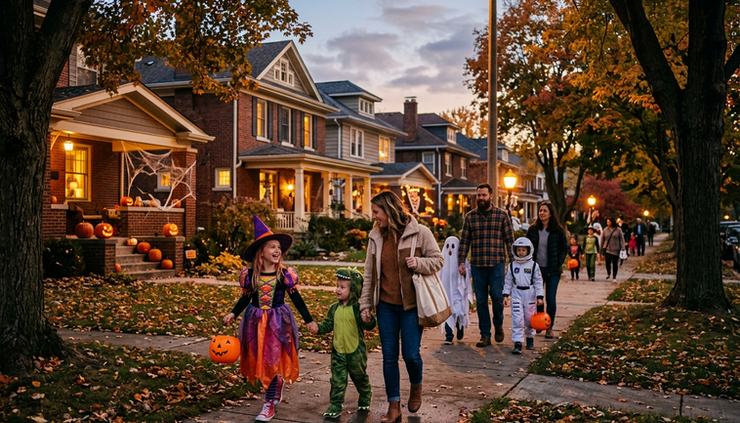
Halloween is a childhood memory in the making
For many children, Halloween is one of the first nights when the neighborhood feels like it belongs to them.
They get to choose who they want to be for a few hours. A firefighter. A ghost. A princess. A dinosaur. A superhero. A cartoon character with a plastic bucket and shoes that may or may not survive the whole walk.
They learn which houses give out chocolate, which ones decorate the lawn, and which neighbors smile when they say "trick or treat." They practice courage by walking up to a door. They practice manners when they say thank you. They practice friendship as they compare candy and trade stories on the way home.
These are small things, but small things shape childhood.
A safe Halloween does not require perfection. It requires care. It requires adults, older teens, neighbors, drivers, and community leaders to remember that children are watching how we treat one another.
The goal is not to turn Halloween into a tense event full of suspicion. The goal is to keep it joyful by making safety feel normal. That means slower driving, kinder words, calmer choices, and more patience when the streets get crowded.
It means giving children room to be children.
The numbers are real and so are the people behind them
Violence continues to affect communities across the country.
As of October 1, Education Week's 2026 tracker had recorded 21 K–12 school shootings that resulted in injuries or deaths, with 12 people killed and 17 injured. Five of those killed were students or other children.
Another analysis, using Gun Violence Archive data, reported 343 mass shootings through September 24, 2026. That count uses the Gun Violence Archive definition of four or more victims shot or killed, not including the shooter.
Different organizations use different definitions and tracking methods, so the numbers are not always the same.
But one truth does not change.
Behind every number is a person.
A child.
A parent.
A brother or sister.
A friend.
A neighbor.
Statistics can help people understand the size of the problem, but they cannot hold the grief. They cannot show the empty chair at dinner. They cannot explain what it feels like when a school, a street, a store, a park, or a holiday no longer feels safe.
That is why a call for peace cannot wait until after something happens. It has to begin before the argument starts, before the reckless decision, before the threat, before the moment that cannot be taken back.
Halloween gives every community a chance to practice that kind of care in public.

Choosing peace starts before Halloween night
Peace is not only a slogan. It is a series of choices people make when stress, fear, anger, or conflict shows up.
Sometimes it is the choice to lower your voice. Sometimes it is the choice not to respond to an insult. Sometimes it is the choice to put a phone down, walk away, call for help, or check on someone who seems overwhelmed.
On Halloween, those choices can look very ordinary.
They can look like a driver slowing down on a dark street because a child might step off a curb.
They can look like a group of teens choosing not to scare younger kids.
They can look like neighbors agreeing to keep arguments away from children.
They can look like adults securing dangerous items, locking up firearms safely, and keeping celebrations from becoming reckless.
They can look like someone noticing a child who seems lost, frightened, bullied, or alone, then calmly helping that child find a trusted adult.
None of these actions require a title. No one has to be a police officer, counselor, teacher, pastor, or nonprofit leader to help prevent harm. A peaceful community is built by many ordinary people making decent choices at the right time.
That is the heart of Let Kids Be Kids This Halloween and Choose Peace. It is not a complicated message. It is a reminder that joy is fragile, and adults have a duty to protect it.
Parents and caregivers can set a calm tone
Children take emotional cues from adults. If adults are fearful, children feel it. If adults are careless, children notice. If adults are steady, children often feel safer.
Parents and caregivers do not need to make Halloween feel heavy. They can prepare children in a way that is simple and age-appropriate.
A few reminders can make the night safer without taking away the fun:
Stay with your group and do not run ahead.
Use sidewalks when they are available.
Cross streets at corners and look both ways.
Bring a flashlight or wear something visible.
Do not enter homes or cars while trick-or-treating.
Tell a trusted adult if something feels wrong.
Be kind to younger children and respectful to neighbors.
The tone matters. These reminders should feel like part of getting ready, the same way children check their costumes, bags, and shoes.
Caregivers can also plan the route ahead of time, check in with other families, and decide when to head home. If older children go out without adults, they should have a clear plan, a charged phone if possible, and a set return time.
Safety works best when it is spoken plainly and calmly. Children do not need panic. They need guidance.
Neighbors can make the difference
Halloween turns neighborhoods into shared spaces. Porches light up. Sidewalks fill. People who rarely speak may see one another face to face.
That makes the night a chance to build trust.
A neighbor who turns on a porch light, clears a walkway, moves a vehicle carefully, or greets children kindly helps create a safer environment. So does the neighbor who notices when a situation feels tense and chooses patience instead of anger.
Community safety is often shaped by small details.
A loose dog can frighten a child. A dark walkway can cause a fall. A speeding car can turn a happy night into a tragedy. A cruel joke can become bullying. A heated argument in front of children can stay with them long after the candy is gone.
None of this means people should live in fear. It means people should pay attention.
If a neighborhood expects large crowds, residents can work together in simple ways. Keep outdoor areas well lit. Drive slowly. Watch for children in dark costumes. Avoid blocking sidewalks. Check on elderly neighbors who may feel overwhelmed by repeated knocks. Offer allergy-friendly options if able. Respect homes that are not participating.
The best neighborhoods are not the ones with the most decorations. They are the ones where children feel seen, safe, and welcome.

Schools and community groups have a role too
Halloween does not happen in isolation. What children experience at school, online, in their peer groups, and at home can follow them into community events.
Schools, youth programs, churches, recreation centers, and local groups can use this season to reinforce a simple message: threats, bullying, intimidation, and violence are not jokes.
That message matters.
Costumes and pranks should not become excuses for cruelty. Social media posts should not turn fear into entertainment. Young people should know they can report threats or concerns without being dismissed as dramatic. Adults should take warning signs seriously while avoiding panic or public shaming.
A healthy response is calm, direct, and protective.
If a child reports bullying, listen. If a student mentions a threat, tell the right people. If a young person seems isolated or angry, do not ignore it. If a family is struggling, connect them with support when possible.
Many acts of violence are preceded by warning signs, conflicts, threats, or distress. Not every warning sign leads to harm, but every concern deserves attention.
Peace-building is not only about one night. It is about the habits a community practices every day.
Responsible gun storage is part of protecting children
Any honest conversation about violence prevention has to include responsible gun storage.
Many families across America own firearms. This message is not about attacking responsible owners. It is about protecting children.
If there is a firearm in a home, it should be stored securely, unloaded when appropriate, and inaccessible to children or anyone who may pose a danger to themselves or others. Ammunition should be stored safely as well. Families should follow all applicable laws and use proven safety practices.
This is especially important during gatherings, parties, sleepovers, and holidays when routines change. Children may enter rooms they normally do not visit. Guests may bring bags or vehicles onto a property. Teens may be under less supervision. Stress and alcohol can increase risks.
A locked firearm can prevent a tragedy. A moment of care can save a life.
Communities cannot control every danger, but they can reduce risk. Safe storage is one clear way to do that.
Peace also means caring for families already hurting
For families affected by violence, holidays can be painful.
A costume aisle can bring back memories. A school celebration can reopen grief. A loud noise can trigger fear. A smiling crowd can feel impossible when someone is missing.
Communities should remember that not everyone enters Halloween with the same sense of ease. Some families are grieving. Some children are anxious. Some parents are carrying fears they do not say out loud.
Kindness helps.
Do not pressure people to participate. Do not judge families who keep the night quiet. Be patient with children who seem nervous or withdrawn. Offer support without demanding details. A simple "We are thinking of you" can mean more than a long speech.
The Youth Peace & Justice Foundation has walked with families and communities in some of their hardest moments. We have learned that healing takes time, and that people often remember who showed up with care.
That same care belongs in ordinary moments too. It belongs on porches, sidewalks, school hallways, and neighborhood streets.
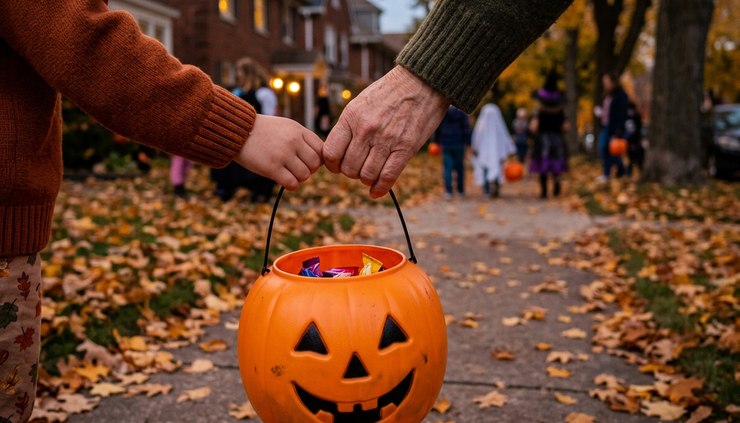
A simple pledge for Halloween night
This Halloween, every person can help protect the joy of the night.
The pledge does not need to be formal. It can be lived in plain actions.
Slow down.
Pay attention.
Speak with care.
Step away from conflict.
Check on children.
Secure what could cause harm.
Treat neighbors like neighbors.
Choose peace when anger offers another path.
Halloween should not be remembered for fear. It should be remembered for laughter, costumes, candy, and children coming home safe.
That is the future worth working toward.
The Youth Peace & Justice Foundation is asking communities across America to take this message seriously, not because Halloween should feel dangerous, but because children deserve adults who refuse to ignore risk.
Let the kids laugh. Let them knock on doors. Let them compare candy on the living room floor. Let them enjoy one night where imagination wins.
This Halloween, look out for the kids. Look out for your neighbors. Choose peace.